


Character Analysis
- Oct 23, 2015
- 8 min read
Jean Louise ‘Scout’ Finch

The adult Jean Louise Scout is narrating this story but in the perspective of her younger self. She is incredibly different to the stereotypical young girl in the Maycomb County. Scout is seen as a hot-tempered, tomboyish girl who is not afraid to get dirty especially if her ‘pride is at stake’. Although innocent to the racial prejudice around her, she is not afraid of a fist fight . Throughout the novel, Scout is seen to come of age and truly understand what issues the minority of those oppressed feel. She is seen as one of the mockingbirds of the novel. Her innocence, or mocking bird is destroyed by the actions of those around her. Even throughout the novel when she realizes the underlying attitudes of many of the citizens, she still believes there is ‘one kind of folk’ so it only makes sense that we can all get along. She was able to read and write at an early age and instead of praising such an advancement her teachers put her down for it making her even feel guilty. Most of her clothes consists of overalls and baggy shirts, much to her Aunt Alexandria's disgust. Her Aunt is ‘fanatical’ about her attire and boyish attitude. Along with this style, is her boy cut bob and quite slender figure. Her nickname 'Scout' is very fitting to her persona. She constantly asks questions and scouts for the answers. The questions she asks are not necessarily always ‘politically correct’ but are certainly tough like when she sees the men about to lynch Tom Robertson. Mad with the scent of murder, the mob were willing to harm Atticus to get Tom. When Scout sees Mr. Cunningham and attempts to make small talk this snaps them back to reality and disperses the crowd. Atticus resignedly says that ‘it took an eight-year-old child to bring them to their senses’. She is brought up by Atticus to have a strong moral compass and understand that what is going on in Maycomb is not right. Her relationship with her father, is one of the closest in the novel. Atticus taught her to create her own formulated opinions and be against unfair racial prejudice, she was also not allowed to listen to rumours, especially about Arthur Radley. He told her to ‘walk away’ from a fight and avoid conflict and teach her how to act in a socially acceptable way. She is respected by her father and is not seen as a ‘bother’. Atticus talks to her like an adult and answers all her questions to the best of his ability. Another relationship she has is with her older brother, Jem. Earlier in the novel they were inseparable and played all sorts of games. Yet at school they were not allowed to speak to each other. When her brother began to be obsessed with sport and reach puberty is when Scout noticed them ‘drifting apart’. He refused to play with her from then on because he believed she was too ‘childish’. Even the boy she was supposed to be engaged to, Dill has since been ignoring her and forgetting her existence. But the one person Scout never loses interest in is Arthur Radley. In the beginning, she feared this unknown beast who drank ‘squirrel blood’ but as Scout grew she began to understand that he was merely misunderstood. This idea solidified when he saved her and Dill’s life from Bob Ewell.
Jeremy “Jem” Finch

Scout’s four year old senior was seen to be inseparable and enjoyed playing the games. As Scout seems to struggle with the themes of social injustice, Jem was old enough to understand the abstract issues yet still had the emotional capacity of a child to be deeply hurt by the racial injustice. During the years that the court case ensues, Jem faced one of the most turbulent times of his life, puberty. Before this, he was a fanatic of football and became all the more obsessed. He chose to become more distant to Scout and was ‘difficult to live with’. Scout is not the only one who notices the change, Calpurnia then refers to him as ‘Mister Jem’ and Miss Maudie stopped baking child-size cakes for him. During his young and impressionable days, he did not understand his father and much less wanted to become him. But after growing in maturity, he understands Atticus’ past as the ‘mad dog’ and how he believes that ‘guns are an unfair advantage’ is truly remarkable and wants to become just like his father. The way his father carries himself and willingly accepts the case is what Jem realizes is true ‘bravery’ and not ‘never declining a dare’ and knocking on Boo Radley’s house. Another significant event that helped shape his idea of true bravery is Mrs. Dubose. This vile woman and both Jem and Scout ‘hate her’ with a passion. As punishment for Jem destroying her prized flowers, he was required to read to her everyday until her death. Both children only learn later that Mrs. Dubose was battling a morphine addiction and wanted a ‘distraction’ so she can become clean at her death bed. This bravery to stop such a strong addiction had Atticus’ respect saying that she was the ‘bravest person he knew’.Jem is able to see that Boo Radley’s unexpected aid indicates there is good in people. Even before the end of the novel, Jem shows signs of having learned a positive lesson from the trial; for instance, at the beginning of Chapter 25, he refuses to allow Scout to squash a roly-poly bug because it has done nothing to harm her. After seeing the unfair destruction of Tom Robinson, Jem now wants to protect the fragile and harmless. His relationship with the town is a friendly one yet he isn’t particularly close with anyone besides his intermediate family and the neighbours.
Atticus Finch
Atticus Finch

Atticus is Jeremy and Jean Louise’s father and is a well-respected citizen of Maycomb and they pay him the ‘highest tribute’. Unlike most of those who reside in Maycomb, he is well off during the great depression. He is looked upon for advice because of his penetrating intelligence, kind heart and calm wisdom. Atticus is the eldest son of a wealthy plantation family but defies family tradition to study law, and his younger brother following to study medicine. Not much is said about his appearance but he was described to be rather tall with black hair, turning grey and wearing glasses because of a hereditary eye problem. He has a square face and is 50 years of age mostly older than all Scouts other fathers in her class, yet he was still fit considering he’d walk to work everyday instead of taking the car. He seems to fall from grace when he decides to take the Robertson case when he truly knows the racial segregation in the society. His decision is the catalyst for many of the events that occurred. He is one of the rare characters that do not change their positions, or attitude throughout the novel. His parenting style is unique, although there is not much to compare with since there are scarce amount of children in their street. Miss Maudie admires his attitude stating that he is the 'same' in the street as he is at home. Atticus treats his children the same respect he would to an adult and never simplify words. Rumours were not accepted and before taking sides, they were required to listen to both perspectives. Atticus believes that you ‘will never understand a person until you’ve considered their point of view. The children were to treat those around them with respect regardless of their social status. He would always directly answer questions to the best to his ability. Courage he believed, was not the 'man with the gun' and he taught his children to 'raise their heads high' but not attempt to join the conflict. He carries this respect and dignity into his work at the courtroom. When questioning both Ewells he was respectful and never abused his authority as a lawyer to publicly slander them. With the evidence, Atticus successfully proved that Bob Ewell was lying and he carefully asked Maya for her perspective. Although many of the citizens are scornful to Atticus they respect him and do not try to harm him (except for Bob). One of the only people he seems to tolerate is his sister, Alexandria. Scout even wonders if they are even 'related' because of their polar opposite attitudes. Atticus gives Scout the freedom to wear and act the way she wants, yet her aunt is more conservative and believes she should be more 'ladylike'. Although they seem to merely tolerate each other, they love each other as siblings would and even Aunt Alexandria resigning that she will 'support' her brother through the tough case. The moral teachings he instills on his children is evident in the way he acts. In their early years the children are spiteful that their father is older than those in Scout's class. Because he is older, he is seen reading quietly, or teaching Scout to read and write. He never participates in the games his children play and they see him as boring. They later realize his old persona as 'mad dog'. As both children mature they began to realize how formidable their father is and truly realizes how great he is.
Arthur “Boo” Radley
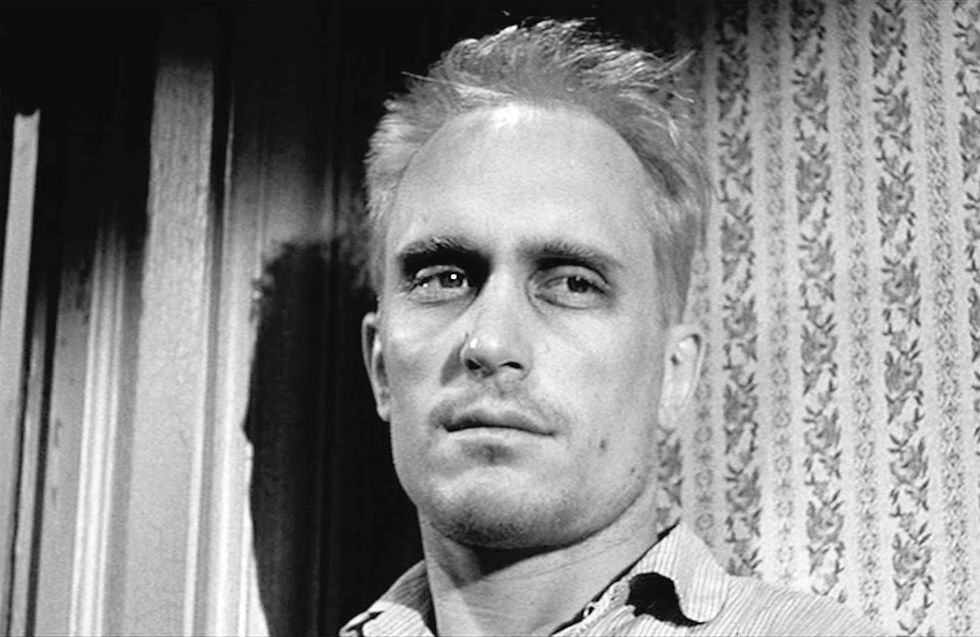
Arthur ‘Boo’ Radley was seen as a recluse man who never leaves his house. Because of his absence in the community rumours have created this ghostly figure to dine on ‘raw squirrels and any cats’ and stabbed his father in the leg. Prior to his own solitary confinement he was a mildly rebellious boy who slowly became a psychologically damaged man by his father who is lonely. He came from a man who was 'always polite' to someone who had 'small spasms' when someone was talking to him, eye to eye. Although Jem’s initial description of him seems far fetched, his hands were ‘sickly white’ and eyes so colourless that she could have mistaken him to be 'blind'. He was the object of the children's curiosity and was the central character for most of their games. Not only were the children interested in this lonely man, but many of the citizens were too. Ms. Crawford proclaims that Boo walks around at night and looks through windows 'especially hers'. Although the children have not seen Boo, they have seemed to make contact and notice inconsistencies with the urban legends told to them about him. Boo Radley gifts them with 'soap figures' he intricately carved himself, and small objects you would imagine a child would have. He mends Jem's pants to avoid him getting in trouble and Jem says that Boo could have hurt or killed him but instead 'decided to mend his pants instead'. Ironically, when Boo murders Bob Ewell, he seems less like a monster than initially thought and more like a shy human being. After that encounter with Boo, Scout 'never saw him again' because he 'wants to be left alone'. He is seen as the mockingbird because his rebellious innocence has then been damaged to reduce him to this middle aged child with no social skills whatsoever. He, like many of the other characters in the novel, suffered from the town's wrath of prejudice and rumours. He sees the unfair treatment of Tom Roberston and avoids that happening to him so he stays in his house.
Calpurnia

Is the African-American house maid of the Finches although does not have almost any influence to the plot, she is the caretaker of the main characters and many of their mannerisms they hold are from her upbringing. She has a son who is named Zeebo who is the town’s resident garbage collector. In the Finch children and Atticus' eyes she is part of the family and her opinions are very important. She is seen as affectionate yet severe and 'never indulges' them. Unlike most of the stereotypical African-American maids, she is well educated and teaches Scout how to read. She brings both of the children to her church and shows them the realistic issue of injustice. Calpurnia lives a divided life.It should be noted that Calpurnia changes her accent when talking to her fellow African-Americans to their dialect to avoid feeling superior. In the household, she reads Atticus’s law books and is well educated to teach Scout. Calpurnia has a sense of self-worth that is not affected by the opinions of people around her. This is a way in which she resembles Atticus.
Comments